
Key takeaways
- The Balkans - Eastern Mediterranean corridor is becoming one of the most important digital hinges between Europe, the Middle East and Asia
- Unlike Western Europe, the region still lacks a modern, redundant and integrated fiber backbone
- Turkey runs its telecom sector in a state-centric way, while Greece and Cyprus are opening their markets to international operators
- Fiber is following gas: routes increasingly overlap with pipelines like TAP, TANAP and EastMed
- Italy has not yet built a unified strategy, although Trieste could become a critical junction between submarine cables and continental backbones
Data will matter more than gas
Everyone talks about gas pipelines in the Eastern Mediterranean. Almost nobody talks about fiber-optic cables. That’s a problem, because in the next years data will matter more than gas.
The Balkans - Eastern Mediterranean corridor is no longer just an energy and military crossroad. It is turning into one of the most important digital hinges between Europe, the Middle East and Asia. Whoever shapes its connectivity will gain real, long-term leverage over cloud, AI and economic growth.
A fragmented backbone in a contested region
Yet, unlike Western Europe, the region still lacks a modern, redundant and integrated fiber backbone. Most connectivity is fragmented, national and often built around a few critical links, creating a structural vulnerability in a space where data flows are now growing exponentially because of cloud, AI and hyperscale data centers.
How Turkey, Greece and Cyprus differ
This is happening while geopolitical competition in the area is intensifying. Russia and China use the Western Balkans to slow European integration and build financial and logistical influence. Turkey is the natural data bridge between Europe and Asia, but it runs its telecom sector in a tightly controlled, state-centric way. Foreign access is limited, regulation is heavy and critical infrastructure is closely supervised. This creates the risk that Ankara becomes a true gatekeeper for regional connectivity, just as it already is for energy corridors. At the same time, hyperscalers are investing heavily in data centers, cloud and AI inside Turkey. To remain technologically competitive, Ankara will have to allow more integration with international networks, even while trying to preserve political control. That tension will shape the region’s digital future.
Greece and Cyprus have taken the opposite path. They are opening their markets, attracting international operators and investing in landing stations and terrestrial backbones. Their goal is to position themselves as the European Union’s main digital entry points for new submarine cables linking Europe with the Middle East and Asia, especially as routes through the Red Sea become more fragile.
Wholesale players and the fiber-follows-gas shift
What often goes unnoticed is that it is not nation states alone that are shaping this new digital geography, but long-term wholesale infrastructure players. Systems such as MedNautilus, SEA-ME-WE 6, and the Trans Adriatic Express (TAE) are not just cables: they define where traffic can move at scale, with resilience and at low latency.
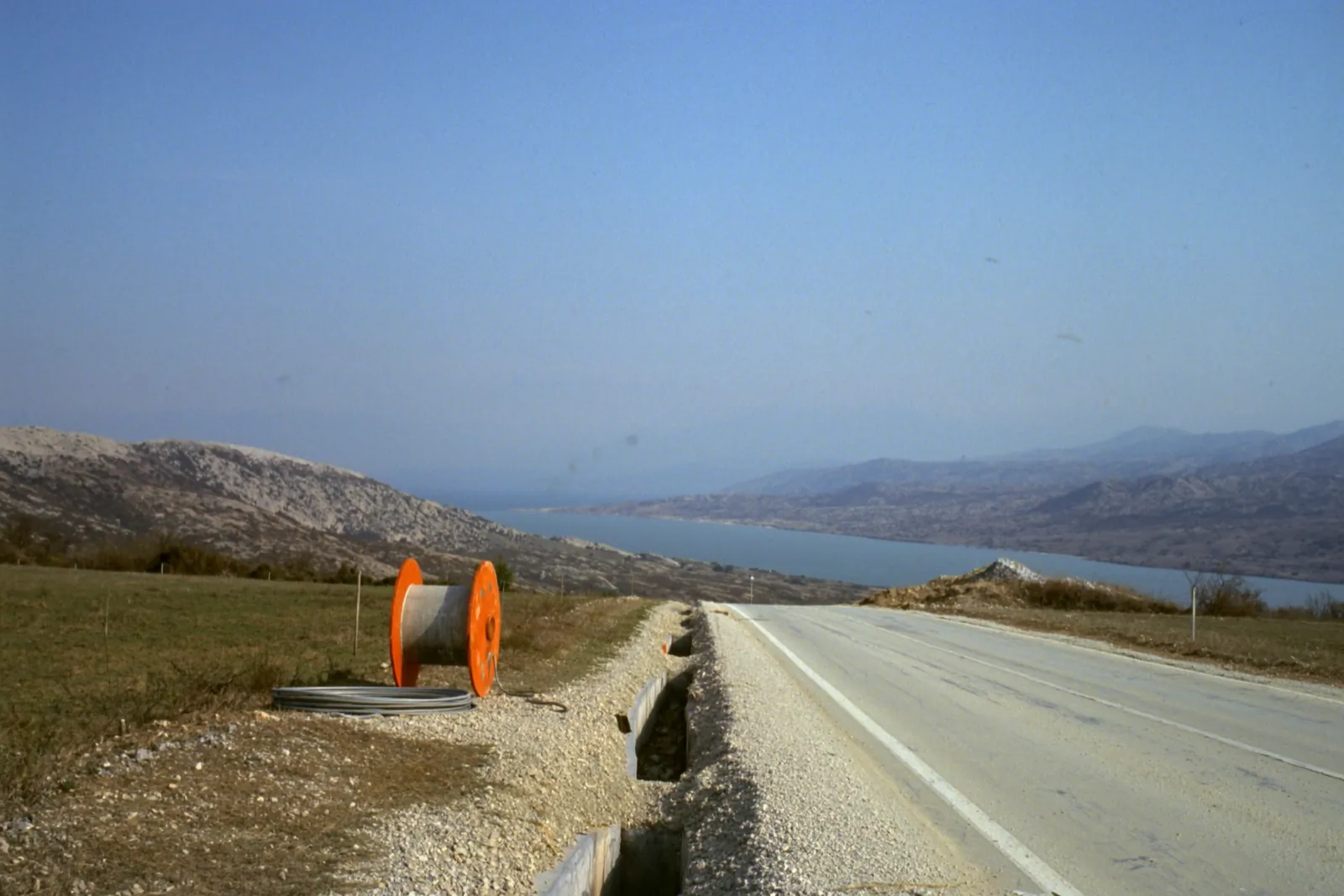
One of the most important shifts now underway is that fiber is following gas. Energy and data corridors are increasingly overlapping - fiber often follows the same routes as pipelines like TAP, TANAP and EastMed - and creating integrated infrastructural corridors. The Trans Adriatic Express (TAE), which runs alongside the TAP pipeline and links Southern Europe with the Balkans, Turkey and Central Europe, is a good example of this new logic.
Italy's missing strategy
In this context, Italy’s absence as a coherent digital infrastructure actor is striking. Despite its geography, it has not yet built a unified strategy to turn ports, landing stations and long-haul fiber into geopolitical leverage. Trieste, sitting between the Adriatic, the Balkans and Central Europe, could become a critical junction between submarine cables and continental backbones. What is missing is not potential, but the ability to turn geography and infrastructure into strategic leverage.
| Country | Approach | Position in the region |
|---|---|---|
| Turkey | Tightly controlled, state-centric telecom sector with limited foreign access | The natural data bridge between Europe and Asia |
| Greece and Cyprus | Opening their markets, attracting international operators, investing in landing stations | The European Union's main digital entry points for new submarine cables |
| Italy | No unified strategy yet for ports, landing stations and long-haul fiber | Trieste could become a critical junction between submarine cables and continental backbones |
What is at stake
The Balkans and the Eastern Mediterranean are no longer just a chessboard for ships and pipelines. This region is becoming a contest over who controls the flow of data between three continents: it may remain a patchwork of competing corridors, or it may evolve into an integrated digital platform. One thing is certain, the outcome of this process will shape Europe’s technological and geopolitical position for decades.