Key takeaways
- EXA Infrastructure argues that networks differ on quality, reliability, future-proof design and strict maintenance discipline, not just price
- Its fibre routes are buried deep underground, often alongside national infrastructures like oil and gas pipelines or major motorways
- Carrier-class ILA sites and PoPs with redundant power and cooling are spaced typically every 80 to 100 kilometers
- EXA reports a median fibre Mean Time to Repair (MTTR) of 7 hours and annual fibre availability of 99.95%
- A Fibre Management System (FMS) and dedicated teams along the footprint support quick troubleshooting and repair
When it comes to international connectivity, the difference between networks isn’t just about price - it’s about quality, reliability, future-proof design, and strict maintenance discipline.
At EXA Infrastructure, we’re proud to be Europe’s specialist backbone provider, investing in network infrastructure built to perform today and endure tomorrow. Here is what sets us apart:
Built for Resilience
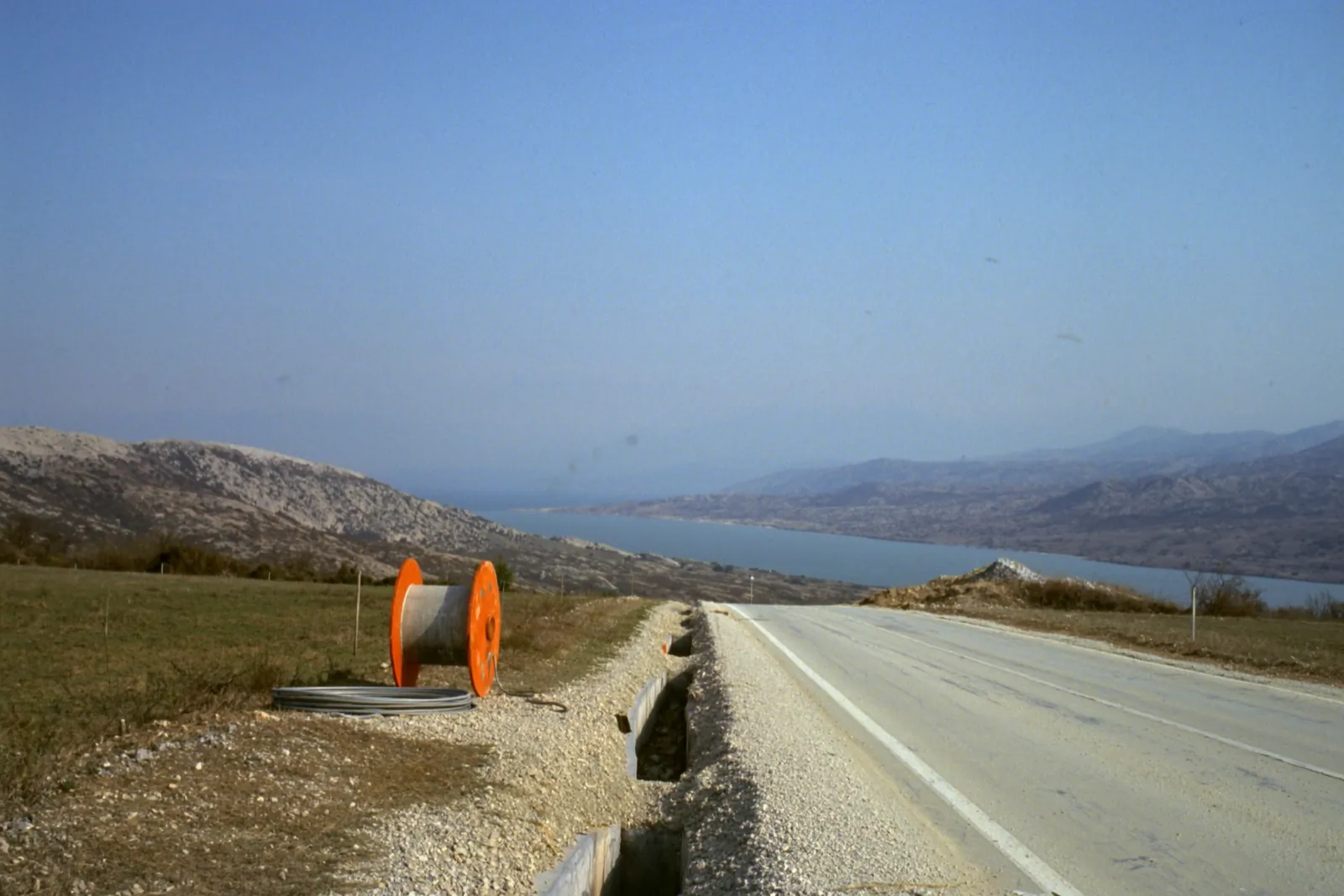
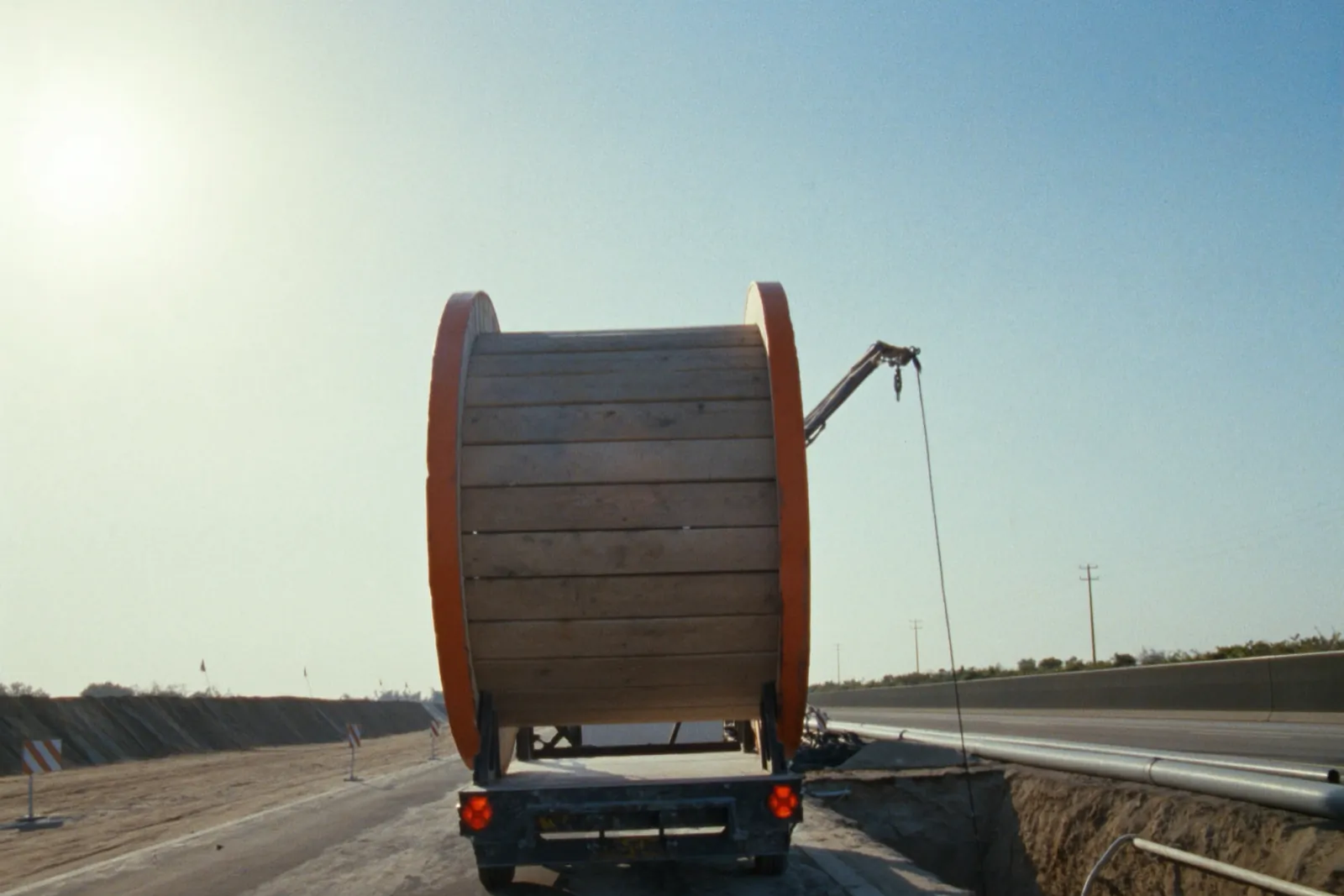
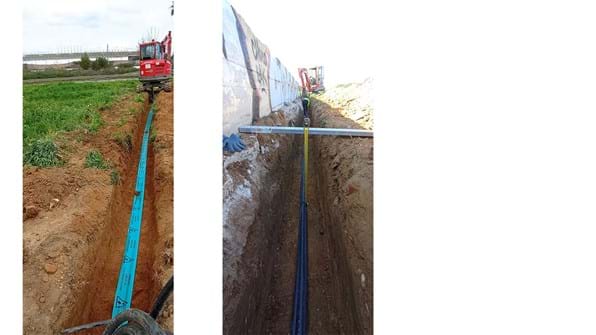
Our fibre routes are buried deep underground, often alongside critical national infrastructures like oil and gas pipelines or major motorways. This isn’t just following best practices, it’s a strategic protection against accidental damage and environmental risks. When you choose EXA Infrastructure, you choose a network designed carefully to last for many years.
We build our backbone using Corning G.652D Ultra and G.655D LEAF (NZDSF) fibres, installed and maintained to be compatible with advanced technologies like RAMAN optical amplifiers and extended C+L band operation. These fibres are optimized for low attenuation and reflectance, significantly outperforming legacy and poorly installed G.652 fibres offered by many of our competitors.
Fibre specification
- Corning G.652D Ultra and G.655D LEAF (NZDSF) fibres
- Compatible with RAMAN optical amplifiers and extended C+L band operation
- Optimized for low attenuation and reflectance
- Buried deep underground, alongside critical national infrastructures
Network Reliability is more than fibre Reliability
The actual performance of fibre networks should not be judged solely by their initial specifications. Experience gained during deployment and maintenance throughout the entire life cycle are crucial factors. In spite of the abundance of fibre in many countries, not all networks are built for backbone-class performance. Many are designed primarily for consumer FTTH applications or rely on legacy fibres, resulting in a high number of splices, bends and repairs. Those consumer networks -and the support processes behind them -were simply not engineered to serve as critical backbone infrastructures.
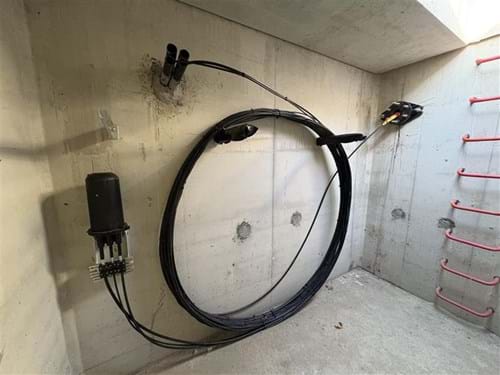
Colocation at In-Line Amplifier (ILA) sites is also crucial for ensuring the reliability and performance of long-haul optical networks. EXA Infrastructure ILAs and Points of Presence (PoPs) are carrier-class facilities, equipped with redundant power and cooling modules, which provide operational resilience for critical network infrastructure.
These sites are strategically spaced -typically every 80 to 100 kilometers - to optimize optical signals regeneration, allowing data to travel long distances without degradation. This is why our customers benefit from robust, managed environments that maintain signal integrity, minimize downtime, and support the demanding requirements of modern, high-capacity fiber optic networks.
Maintained to the Highest Standards
Even the best networks face incidents, what matters is how swiftly and effectively you respond.
At EXA Infrastructure, our Fibre Management System (FMS) facilitates quick and effective troubleshooting. Our dedicated teams are present along our footprint to maintain and repair our - and your - infrastructure to the highest operational standards.
With a median fibre Mean Time to Repair (MTTR) of just 7 hours and annual fibre availability of 99.95%, our track record speaks for itself.
Engineered for the Demands of Today and Tomorrow
Across Europe, it’s quite common to see cables laid just centimeters below the surface, aerial runs left exposed, or splice enclosures neglected.
These shortcuts might save money in the short term, but they lead to outages and risk for customers – they simply don’t meet the standards you would choose for your own backbone!
EXA’s network is different:
- Deeply buried, secure infrastructure
- Modern G.652D and G.655 fibre compatible with state-of-the-art optical equipment
- Carrier-class colocation sites.
- Extensive route diversity for maximum uptime
The Network Trusted by the World’s Most Demanding Organizations
Hyperscale's, international carriers, and leading enterprises choose EXA because reliability isn’t optional, it’s mission critical. Our network is the backbone for Europe’s digital economy, built to the highest standards for customers who demand the best.
The next time you’re considering your international connectivity options, ask yourself:
Do you want to gamble on the lowest-cost provider, or partner with the specialist infrastructure built for the long haul?
Choose EXA Infrastructure.
Built for the long haul.