Key takeaways
- TAE is a seamless fiber backbone of more than 4.500 km between the Greek/Turkish border and Marseilles, connecting the major data centers of southeastern Europe
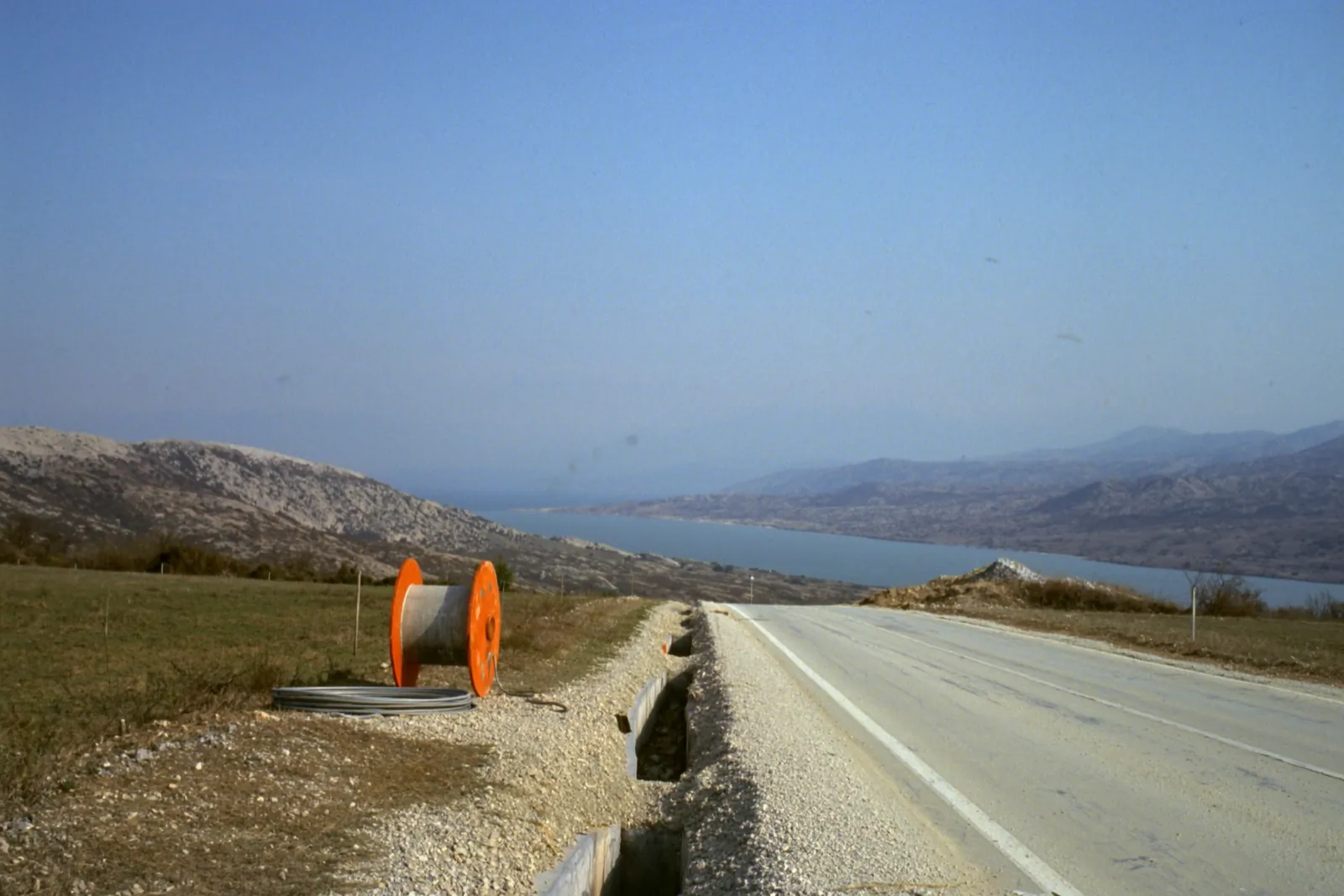
- Its fiber optic cable is attached to the TAP gas pipeline and buried 1m to 10m below ground, so fiber cuts are expected to happen rarely
- The TAE/TAP infrastructure could reach reliability levels up to 8 times those of a traditional telco FOC deployment
- The direct pipeline route offers low latency between Italy and Turkey, with 39 directional drill river crossings and 3 microtunnels
- EXA will provide Capacity (Wavelength) and Spectrum services on TAE, plus Dark Fiber subject to availability
In the second feature on the Trans Adriatic Express (TAE), EXA’s Network Investment Manager Antonios Kollaras explains how the TAE is challenging the status quo for regional cable systems as well as outlining the reliability and security features it boasts.
What is the Trans Adriatic Express (TAE)?
TAE is a seamless fiber backbone of more than 4.500 km of network perimeter between the Greek/Turkish border and Marseilles. It connects the major data centers of southeastern Europe. Its backbone consists of four segments:
- Onshore TAP segment (Kipoi-Fier)
- Offshore TAP segment (Fier-Melendugno)
- Onshore Melendugno-Bari
- Onshore Bari-Marseille (via Milan)
The nearby capitals cities of Athens, Istanbul, Sofia and Tirana are also connected to the TAE backbone via fiber extensions that effectively connect these regional hubs to the hubs in western Europe.
State-of-the-art regional system
TAE is not only a new route. It is a regional system with a key advantage to lower CAPEX and OPEX costs, which is mostly attributed to its state-of-the-art fiber optic cable (FOC) and route design.
TAE provides a very high-quality route between southern Italy and Turkey using the latest quality G.652D fiber with an average installed loss of <0.19dB/m at 1550nm. At the same time, competing fiber in traversing countries is generally older and of lower quality.
TAE with its approximately 100km of submarine section requires no special Super-RAMANs to setup and operate. Instead, it works just like any other terrestrial dark fiber span.
Fundamentally, a deployment of a typical DWDM system with today’s standards would wield nothing less than 25Tbps/fp across the TAE route. And that is by utilising the DWDM Band-C only!
TAE route facts
- More than 4.500 km of network perimeter between the Greek/Turkish border and Marseilles
- Latest quality G.652D fiber with an average installed loss of <0.19dB/m at 1550nm
- Approximately 100km of submarine section, with no special Super-RAMANs required
- Nothing less than 25Tbps/fp across the route using the DWDM Band-C only
Embedded reliability
TAE will provide unprecedented levels of infrastructure security.
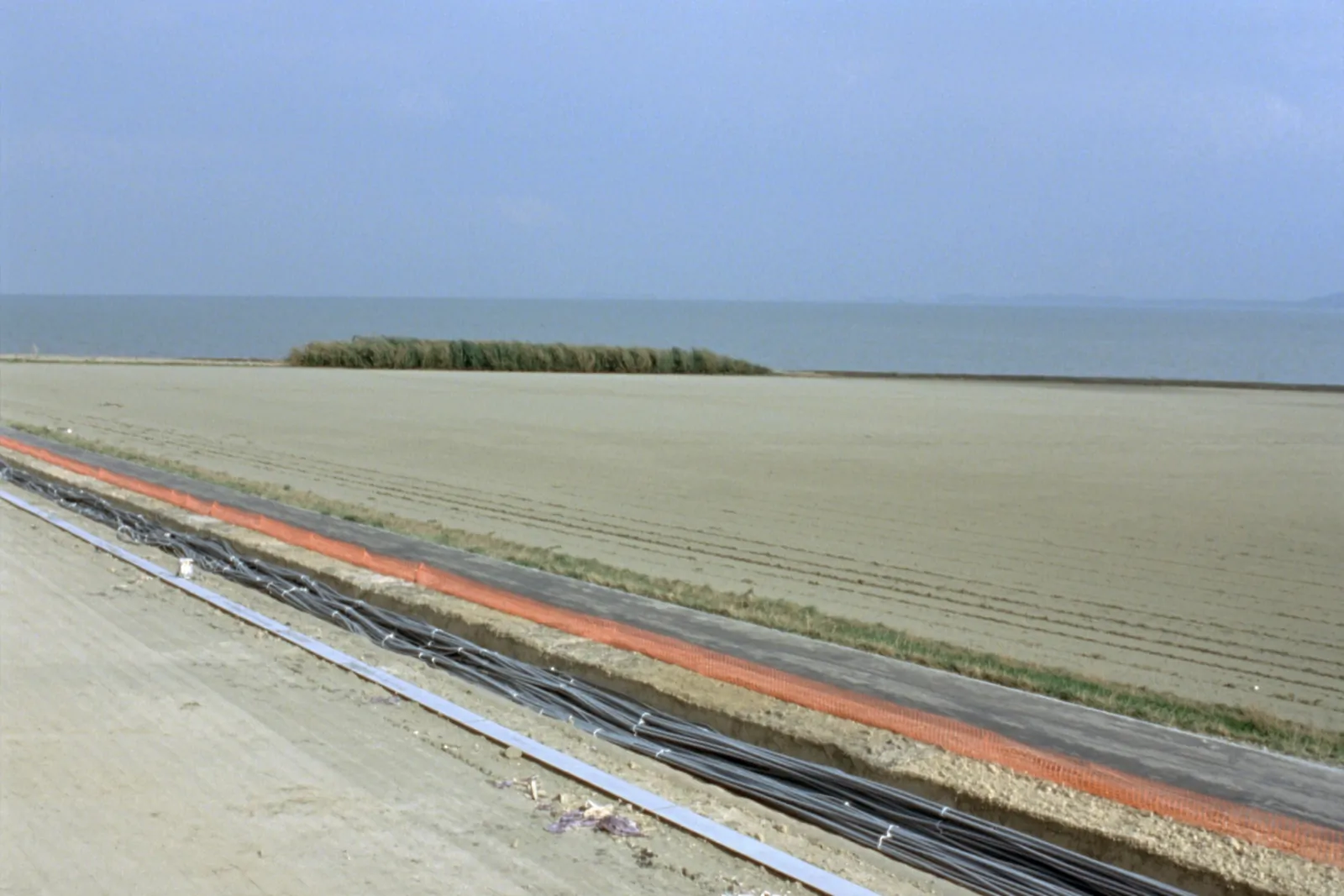
Traditionally, the FOC are laid somewhere between 60 and 120 cm below the ground. TAE follows a different approach. The TAE FOC owing to the fact that is attached to the TAP gas pipeline is buried at depths that vary from a minimum of 1m up to 10m below the ground surface. The TAP is classed as Critical National Infrastructure and it has regular patrols and inspections.
Furthermore, TAP has put together a very stringent framework that restricts the list of activities that can be performed in proximity to the pipeline. This means:
- Around the restricted ownership zone (4+4m on either side of the TAP pipeline), no digging activities are allowed but only superficial cultivation of plants
- Around the building restriction zone (20+20m on either side of the TAP pipeline), no construction of buildings of any nature is allowed
These two key rules offer a distinctive advantage to the TAE infrastructure – fiber cuts are expected to happen rarely. According to the latest report of EGIG, the average failure frequency trend is downward, and the modern gas pipeline infrastructure is now more safe than ever.
“The five year moving average failure frequency in 2019, which represents the average failure frequency over the past 5 years, equals 0.126 per year per 1,000 km.”
This means TAE will experience exceptionally high levels of reliability compared to the traditional cables that are installed in the public roads. A typical fiber cable deployment suffers on an estimate one fiber cut per 1000km per year. It does not seem unreasonable to suggest that the TAE/TAP infrastructure will experience reliability levels of up to 8 times more than of a traditional telco deployment of a FOC.
Low-latency route
Low-latency route – TAE is poised to establish new low latency benchmarks
TAE is not only the network on which west and east meet. The gas pipeline is built in a very direct route for economic reasons, and therefore offers an attractive low-latency route between Italy and Turkey. Taking the shortest route involves 39 directional drill river crossings and 3 microtunnels through mountains. Istanbul and Milan have never been so close before!
From a design standpoint, TAE is expected to have deep synergies with the subsea cable systems in the making. The ones that are due to branch out in Crete or Athens will seek for alternative routes to Milan, Sofia, and Istanbul. Especially for Milan, its elevated role as a fully blown hub is expected to attract an ever-growing amount of traffic from Southeast Europe.
Connecting the dots
All things considered; TAE is about to challenge the status quo of the regional cable systems across the six countries that it connects. Gone are the days when connecting Istanbul to Italy would necessitate fragmented infrastructure, multi-party agreements, subpar fiber quality and inconsistent SLA KPIs. The stitched-up network architecture of putting together fiber segments from different suppliers, with the arrival of TAE becomes a relic of the past.
TAE suggests a new route connecting East to West, a new highway corridor. TAE proposes a one-stop-shop of new infrastructure by unifying, uniformizing the fiber quality across the countries that traverses, the network performance, the consistency in service delivery and trust in customer support.
We at EXA are experts in infrastructure, we are known for our streamlined approach to help our partners to connect their dots. EXA on the TAE domain will provide Capacity (Wavelength) and Spectrum services but also Dark Fiber subject to availability.
Read part one: Trans Adriatic Express: A model for infrastructure investment